
Blood, Technique, and Tradition The Modern Revival of Bare-Knuckle Combat
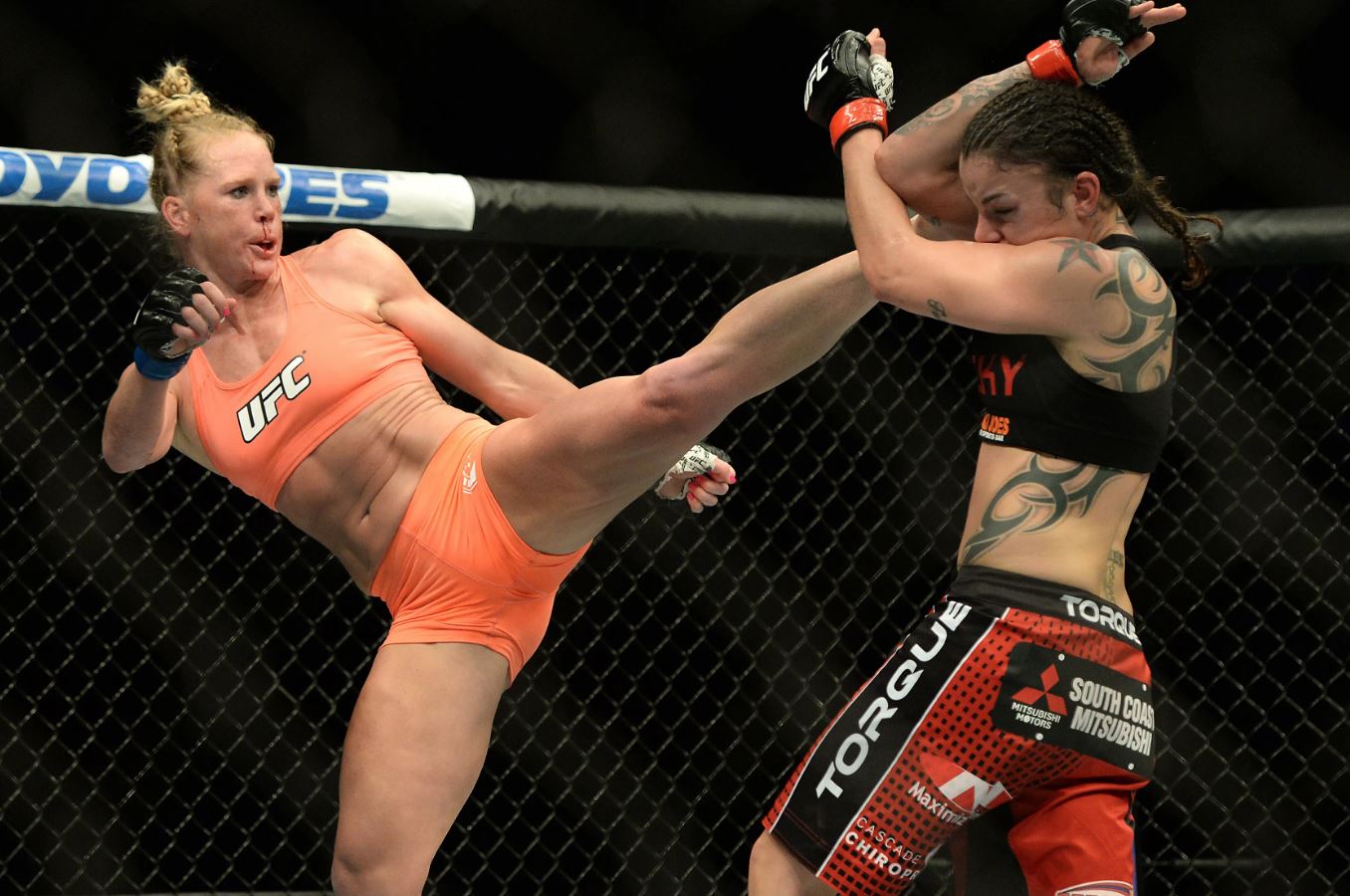
The Resurgence of a Once-Outlawed Discipline That Blurs the Line Between Raw Violence and Refined Skill
The Forgotten Roots of the Original Combat Sport
Before gloves, mouthguards, and regulated rounds, fighting was simple. Two men met in a circle, and only one left standing. Bare-knuckle boxing, often considered the ancestor of modern boxing, traces its origins back centuries. From the cobblestone alleys of 18th-century England to underground pits in early America, it was the purest form of stand-up combat. Fighters used not only fists but strategy, endurance, and cunning to survive matches that often lasted hours. There were no weight classes, no judges, and no time limits. Victory came through knockout, surrender, or sheer willpower.
Yet as the sport evolved, safety measures and public image took precedence. The introduction of gloves under the Marquess of Queensberry rules in the late 1800s shifted combat toward what we now know as boxing. Bare-knuckle fighting was pushed underground, labeled barbaric and unlawful. For decades, it lived in whispers, practiced in secret barns or backyards, away from mainstream eyes. What once defined the spirit of combat became an outlawed memory. That is, until recently, when a new generation decided to bring it back, not as a spectacle of violence, but as a celebration of raw artistry and tradition.
The Modern Resurrection of an Ancient Art
The rebirth of bare-knuckle boxing began quietly but spread rapidly. What started as a niche movement among combat purists evolved into a legitimate global sport. Organizations such as Bare Knuckle Fighting Championship (BKFC) in the United States and BKB in the United Kingdom reignited interest by introducing structure, medical oversight, and professionalism while maintaining the essence of the fight. Fighters from various backgrounds, including MMA, boxing, and kickboxing, began testing their skills in this unforgiving environment. The appeal was primal yet poetic, offering a stripped-down challenge that gloves could never replicate.
Modern bare-knuckle boxing differs from its historical version in significant ways. Rounds are shorter, gloves are replaced with wrapped knuckles for minimal protection, and strict medical supervision ensures fighters’ safety before and after bouts. Despite these changes, the spirit remains intact. Every strike carries weight, precision, and consequence. Unlike gloved boxing, where fighters can hide behind padded hands, bare-knuckle combat exposes everything. Mistakes hurt, and defense becomes an art of survival. It is not simply about hitting harder, but hitting smarter. Each movement, each slip, and each counter embodies both danger and discipline.
The Anatomy of Bare-Knuckle Fighting
Bare-knuckle fighting demands a different kind of technical mastery than traditional boxing. The absence of gloves changes everything, from how punches are thrown to how fighters protect themselves. With bare fists, striking power must be measured with care. Overcommitment risks broken hands, while reckless aggression invites disaster. Fighters focus on accuracy and timing over brute strength. The straight punch and the shovel hook, delivered with surgical precision, replace looping haymakers. The emphasis shifts toward economy of motion and defensive awareness.
Defense, too, becomes more subtle. Since gloves no longer cover large portions of the face, parrying, head movement, and footwork take on critical importance. Fighters learn to roll punches rather than absorb them, redirecting force rather than blocking it. The result is a more tactical, cerebral approach to combat. The fight slows in perception but deepens in strategy. Every action becomes deliberate. Each jab tests distance, each feint manipulates reaction, and every counterpunch has the potential to end the contest. The margin for error is almost nonexistent, making victory in bare-knuckle fighting as much mental as it is physical.
Violence or Art: The Dividing Line
The return of bare-knuckle boxing has sparked fierce debate. To some, it represents the reemergence of a brutal, outdated form of entertainment that glorifies injury and bloodshed. To others, it embodies the truest expression of combat skill and authenticity. The truth lies somewhere between. Violence is undeniable. Cuts, swelling, and bruises appear early and often. Yet within that violence exists artistry. Fighters must master control, precision, and composure in a setting that punishes recklessness. The brutality does not define the sport, discipline does.
What separates bare-knuckle boxing from street fighting is intent and control. Fighters are not brawlers but technicians. Their craft lies in understanding the human body’s limits and exploiting them efficiently. Watching an elite bare-knuckle fighter is like watching a sculptor carve from chaos. Every strike, dodge, and angle reflects years of study and refinement. The art is in the restraint as much as in the aggression. The most skilled fighters win not by causing the most damage, but by inflicting it with intelligence. They turn violence into rhythm, crafting something closer to dance than destruction.
The Appeal to Fighters and Fans
Why, in a world already filled with polished combat sports, would fighters willingly step into a bare-knuckle ring? The answer lies in purity and challenge. For many athletes, especially those transitioning from boxing or MMA, bare-knuckle fighting strips the sport down to its essence. There is no hiding behind equipment or point systems. It is the rawest test of courage, skill, and endurance. Fighters often describe the experience as liberating, a return to the roots of why they fight in the first place. The pain is real, but so is the satisfaction of victory earned through uncompromised combat.
For fans, the allure is equally visceral. Bare-knuckle fights carry a sense of danger and unpredictability that gloved sports sometimes lack. The sound of a clean connection, the sight of tactical exchanges, and the intensity of every round draw audiences in. Yet what keeps them watching is not just the violence, but the courage and respect displayed between competitors. Despite its reputation, the sport promotes mutual honor among fighters. There is little trash talk once the fight begins, only focus and respect for the opponent’s skill and resilience. In that sense, it captures something that modern combat sports often lose: authenticity.
Safety, Regulation, and the Evolution of Ethics
Critics argue that bare-knuckle fighting is too dangerous to be sanctioned. However, statistics tell a different story. Modern promotions emphasize medical oversight and fighter safety as core priorities. Shorter rounds, limited fight durations, and mandatory hand wraps reduce long-term damage. Unlike gloved boxing, where repeated head strikes can cause cumulative trauma, bare-knuckle fights often end faster due to visible injuries, preventing prolonged exposure. The absence of gloves also means punches must be thrown with caution, inadvertently protecting fighters from excessive head damage.
Referees are trained to stop fights the moment one competitor can no longer defend effectively. Ringside physicians monitor fighters before, during, and after bouts. Medical suspensions ensure recovery time between matches. As the sport continues to grow, so does its infrastructure. Regulatory bodies now oversee events in multiple countries, ensuring that bare-knuckle boxing evolves responsibly. What once existed as an outlaw spectacle is transforming into a disciplined, professional sport. The modern fighter no longer steps into chaos, but into structure governed by respect for safety and heritage alike.
The Cultural Revival and Its Global Influence
The resurgence of bare-knuckle boxing is not confined to one region. Across the world, fighters and fans are rediscovering its cultural significance. In the United Kingdom, it reconnects communities with a sport deeply tied to national history. In the United States, it offers a fresh alternative for combat sports enthusiasts seeking authenticity. Eastern Europe and Latin America have also embraced the revival, producing skilled athletes with unique stylistic influences. The sport’s global expansion demonstrates its universal appeal, the human fascination with pure, honest competition.
Media has played a crucial role in this revival. Streaming platforms, documentaries, and social media have brought bare-knuckle events to millions of viewers who might never have seen them otherwise. The rise of viral highlights has also contributed to the sport’s momentum. Clips of quick knockouts or skillful defensive exchanges circulate online, capturing attention and fueling debate. As visibility grows, so does legitimacy. Bare-knuckle boxing, once relegated to whispers and shadows, now shares the spotlight with mainstream combat sports. Its blend of tradition, spectacle, and human rawness has secured its place in modern culture.
Training for the Unforgiving Arena
Preparing for bare-knuckle competition requires a specialized approach. Fighters train their hands differently, conditioning the bones and tendons to withstand impact. Traditional punching bags are replaced with harder surfaces or focus pads designed for bare impact. Hand wrapping techniques vary, providing minimal protection without compromising dexterity. Fighters also focus heavily on wrist alignment and punch mechanics to prevent injury. The smallest mistake in form can result in broken bones, making technical precision more critical than in any other combat sport.
Endurance and composure are equally vital. Bare-knuckle bouts may be shorter, but their intensity is unmatched. Fighters train in high-pressure sparring scenarios that replicate the pace and chaos of real competition. They also emphasize mental conditioning, remaining calm under pressure while executing precise techniques in close quarters. The training reflects the philosophy of the sport itself: simplicity layered with depth. Behind the aggression lies discipline, and behind the blood lies intention. Every round is a test not only of skill but of willpower and composure.
The Future of Bare-Knuckle Combat
The sport’s future depends on balance, preserving authenticity while ensuring safety and sustainability. As organizations grow, so will the demand for standardized rules and international cooperation. Fighters will continue crossing over from other disciplines, bringing diverse techniques and elevating the level of competition. The audience, too, will evolve, shifting perception from brutality to appreciation of skill. The next generation of fans may see bare-knuckle boxing not as an archaic brawl but as an intricate, regulated sport with deep cultural and historical resonance.
Technology may also influence its progression. Advances in training equipment, medical monitoring, and performance analytics will improve both fighter preparation and post-fight recovery. With growing media coverage, sponsorship, and fan engagement, the sport is positioned to thrive while maintaining its primal essence. The question that lingers, whether bare-knuckle fighting is brutality or art, may never have a definitive answer. Perhaps it is both, existing in that timeless space where beauty and violence intertwine, where human spirit meets human instinct.
The Eternal Circle of Combat
In the end, bare-knuckle boxing is not about violence for its own sake. It is about the timeless human desire to test limits, to confront fear, and to find mastery within chaos. Every cut, every bruise, and every victory tells a story older than civilization itself. Fighters who enter that ring do not seek destruction, they seek understanding, of themselves, their craft, and their place in a lineage that stretches back through centuries of warriors. What appears brutal to the untrained eye is, in truth, the language of courage and control.
Whether viewed as a relic of the past or the evolution of modern combat, bare-knuckle boxing endures because it reveals something essential about the human condition. It reminds us that beneath the layers of modern sport, technology, and rules, there remains a primal drive to fight, to endure, and to overcome. In its rebirth, the sport has become more than violence or spectacle. It has become a mirror, reflecting both the brutality and the beauty of what it means to be human.