
The Quiet Creed The Enduring Spirit of Honor in the Age of Combat Sports
Understanding How the Ancient Principles of Respect and Discipline Continue to Guide Modern Fighters
The Legacy That Lives Beyond the Dojo
In every gym, cage, or arena where modern fighters test their limits, echoes of an older tradition still linger. Long before televised events and pay-per-view cards, martial arts were born as disciplines of the mind as much as of the body. Every bow, salute, or gesture of mutual acknowledgment traces its lineage back to cultures that valued respect as the foundation of power. While the modern combat landscape is filled with noise, bright lights, and sometimes arrogance, the deeper philosophy that shaped martial practice continues to influence fighters who seek more than victory. The code of respect remains, not as a ritual of the past, but as a living guide that keeps chaos in check.
The ancient masters of martial arts understood that strength without character leads to destruction. In feudal Japan, the samurai adhered to bushido, a code that emphasized honor, loyalty, and self-control. In China, kung fu traditions taught that combat skill should be tempered by humility and restraint. Even in Greek pankration or Roman gladiatorial combat, the greatest warriors were measured not only by their triumphs, but by their discipline in facing both victory and defeat. The continuity of this philosophy can still be seen today. Behind every handshake at the end of a fight lies a tradition that refuses to die.
The Bow Before the Battle
One of the most recognizable symbols of martial respect is the bow. To the untrained eye, it might appear as simple etiquette, but its roots reach far deeper. The bow represents acknowledgment of another human being’s worth, skill, and courage. It is a declaration that even in combat, dignity remains intact. Before two opponents touch gloves or exchange strikes, they are united by a shared understanding of purpose. They are not enemies, but partners in a test of will and ability. This moment of humility transforms a violent act into a meaningful encounter, reminding both fighters that respect is not weakness, but strength in control.
Modern combat sports preserve this ritual in their own way. In Brazilian jiu-jitsu, practitioners bow before stepping onto the mat. In mixed martial arts, fighters often touch gloves before engaging, signaling mutual respect. Even the smallest gestures, such as helping an opponent to their feet after a bout, stem from this ancient principle. The bow, whether literal or symbolic, creates a bridge between traditions separated by centuries. It keeps the fight human, anchoring it in mutual recognition rather than hostility. Without that code, combat risks devolving into spectacle devoid of soul.
The Line Between Competition and Violence
Every combat sport walks a fine line between artistry and brutality. The difference lies not in the strikes thrown, but in the intent behind them. Martial arts have always taught that violence without purpose corrupts both the fighter and the discipline itself. The philosophy that underpins combat is what prevents it from becoming savagery. Ancient teachers taught that self-control is the ultimate weapon, and that true strength lies in restraint. Modern fighters who understand this distinction carry forward that same legacy in an era defined by competition and entertainment.
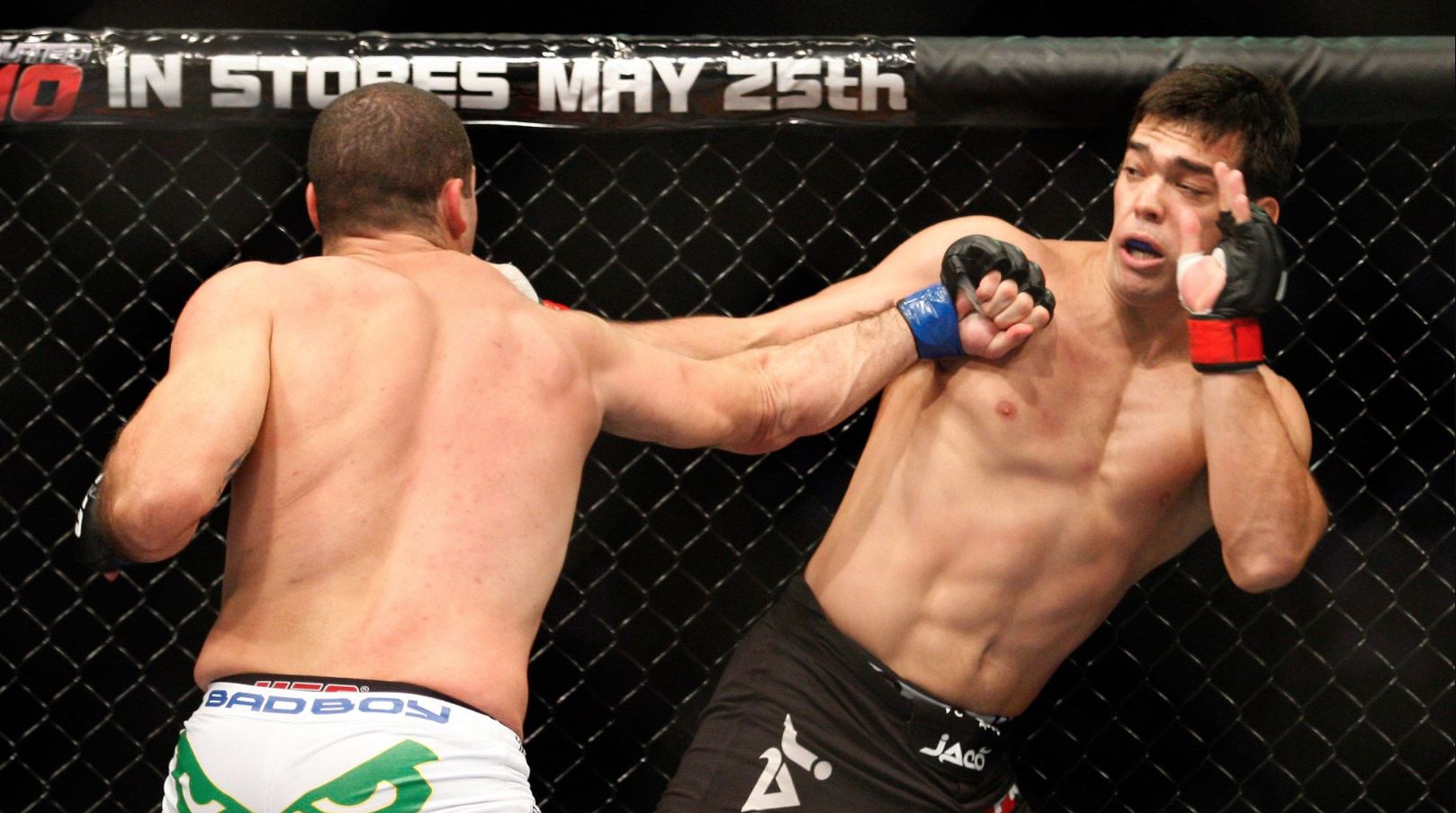
In the cage or ring, emotions can flare easily. Adrenaline, pride, and fatigue push fighters to their limits. Yet the code of respect endures precisely because it disciplines those emotions. Fighters train not only their bodies but their minds to remain composed in the storm. They are taught to see the opponent as a mirror reflecting their own strengths and weaknesses. The victory is not just over another person, but over fear, doubt, and ego. This psychological discipline turns combat into self-expression, transforming what might otherwise be violence into a form of art defined by mutual understanding.
The Teacher’s Role in Preserving Integrity
Every fighter begins their journey under the guidance of a teacher. In martial arts, the relationship between student and instructor is sacred. It is not simply a transfer of technique, but a transmission of values. A good teacher cultivates not only skill but character, ensuring that every punch, kick, or hold carries intent guided by principle. The dojo or gym becomes a place of growth, where respect is reinforced through daily discipline. The way a student treats their peers, the cleanliness of their space, and their attitude during practice all reflect this deeper code of ethics.
Modern combat trainers who remain faithful to this tradition act as custodians of integrity. They remind their fighters that glory fades, but reputation endures. Many of the sport’s most respected champions share this philosophy. They rise with humility and fall with grace. They honor their coaches, respect their opponents, and use their influence to elevate others. In a culture often driven by bravado and hype, these teachers and students remind the world that true greatness begins in humility. The best fighters are not those who shout the loudest, but those whose actions speak with quiet discipline.
The Warrior’s Code in the Digital Age
The modern age of combat exists under a microscope. Cameras follow fighters everywhere, social media amplifies every word, and fans demand entertainment at every turn. In this environment, the temptation to prioritize performance over principle is immense. Fighters are often pushed to sell fights with trash talk or to craft personas that may not reflect who they truly are. Yet even in this climate, the code of respect continues to find expression in unexpected ways. The most admired fighters are often those who defy the pressure to conform, who show composure amidst provocation, and who represent martial values both inside and outside competition.
Respect today means navigating a world that values spectacle over sincerity. When a fighter bows after a bout or shows compassion for a defeated opponent, they make a statement far louder than any insult or celebration could. These moments restore balance to a sport that constantly teeters between chaos and order. They remind the audience that while fighting may be fierce, its true purpose lies in personal growth and mutual understanding. Technology may change how combat is seen, but it cannot erase the human spirit that drives it.
The Transformation of Respect Across Cultures
While martial arts originated in various parts of the world, their values often align remarkably closely. From Japan’s bushido to Korea’s Hwa Rang Do, from China’s Shaolin principles to Western boxing’s gentleman’s code, respect remains a universal constant. Across continents and centuries, warriors recognized that respect for self and opponent created balance. This shared understanding transcends language and tradition. When fighters from different backgrounds meet in the ring, they bring with them the weight of these traditions, merging them into a single, global expression of martial culture.
Mixed martial arts, as a melting pot of fighting styles, has become the stage where this cultural convergence thrives. A judoka bows before engaging a wrestler who extends his hand. A Muay Thai striker performs the wai kru ritual while his opponent from Brazil stands with a hand over his heart. These interactions, though varied, all serve the same purpose: to acknowledge the sacredness of the contest. They remind both fighters and spectators that respect is not confined by geography. It is a universal law that governs combat as much as any rule set or technique.
Discipline as the Core of Modern Combat Ethics
In the world of combat sports, discipline is the foundation upon which all respect is built. It governs how fighters train, how they treat others, and how they respond to adversity. Without discipline, power becomes reckless, and talent loses direction. Every hour spent drilling techniques, maintaining conditioning, or studying strategy is a demonstration of respect for the craft. It is through this dedication that the fighter learns patience, humility, and endurance. Discipline shapes not only the body but the character, turning aggression into control and fear into focus.
Fighters with high discipline embody respect through their actions. They arrive on time, listen to instruction, and treat opponents with dignity. They accept losses with composure and victories with gratitude. Their behavior reflects the invisible contract that martial arts uphold: that competition exists not to destroy, but to refine. The modern gym, like the ancient dojo, becomes a temple of self-improvement where the code of respect lives quietly in every repetition. In this sense, discipline is not just a habit. It is the living pulse of martial ethics.
When Respect Is Tested
Respect is easy when things go well. It becomes meaningful only when tested by conflict, defeat, or injustice. The true character of a fighter reveals itself not in victory but in how they handle adversity. In heated moments, when tempers flare and emotions run wild, maintaining composure becomes the ultimate challenge. Many of the greatest fighters in history are remembered not only for their skill but for their grace under pressure. They refused to retaliate against taunts, remained calm in controversy, and held fast to their principles even when provoked.
Moments of disrespect can taint the beauty of combat. A fighter who gloats over a fallen opponent or insults them after victory betrays the very essence of martial arts. In contrast, the fighter who extends a hand, who acknowledges their opponent’s courage, earns a different kind of victory. They win hearts, not just matches. This is where the code of respect separates true warriors from mere competitors. It demands that even in the face of anger, pride, or injustice, the fighter remains a guardian of integrity. The battle for respect is constant, and it never ends when the bell rings.
The Unbroken Line of Honor
The evolution of combat has changed many things, but the spirit of respect endures as its most sacred thread. From ancient dojos to modern arenas, the code of respect connects generations of fighters who understand that skill means nothing without humility. The gestures may vary, the languages may differ, but the message remains timeless: to fight with honor is to rise above mere conflict. In every bow, handshake, or moment of silence after the final bell, the legacy of martial ethics breathes anew.
As combat sports continue to grow, the challenge will always be to protect that legacy from the distractions of fame and ego. True warriors know that respect does not end with victory or defeat. It lives in how they train, how they treat others, and how they carry themselves beyond the cage. In the end, the code of respect is more than a tradition. It is the soul of combat, reminding all who fight that every battle, no matter how fierce, is a dialogue of honor between those who dare to stand across from one another and bow before the storm.