

Echoes of the Ring The Symphony of a Fighter’s Will
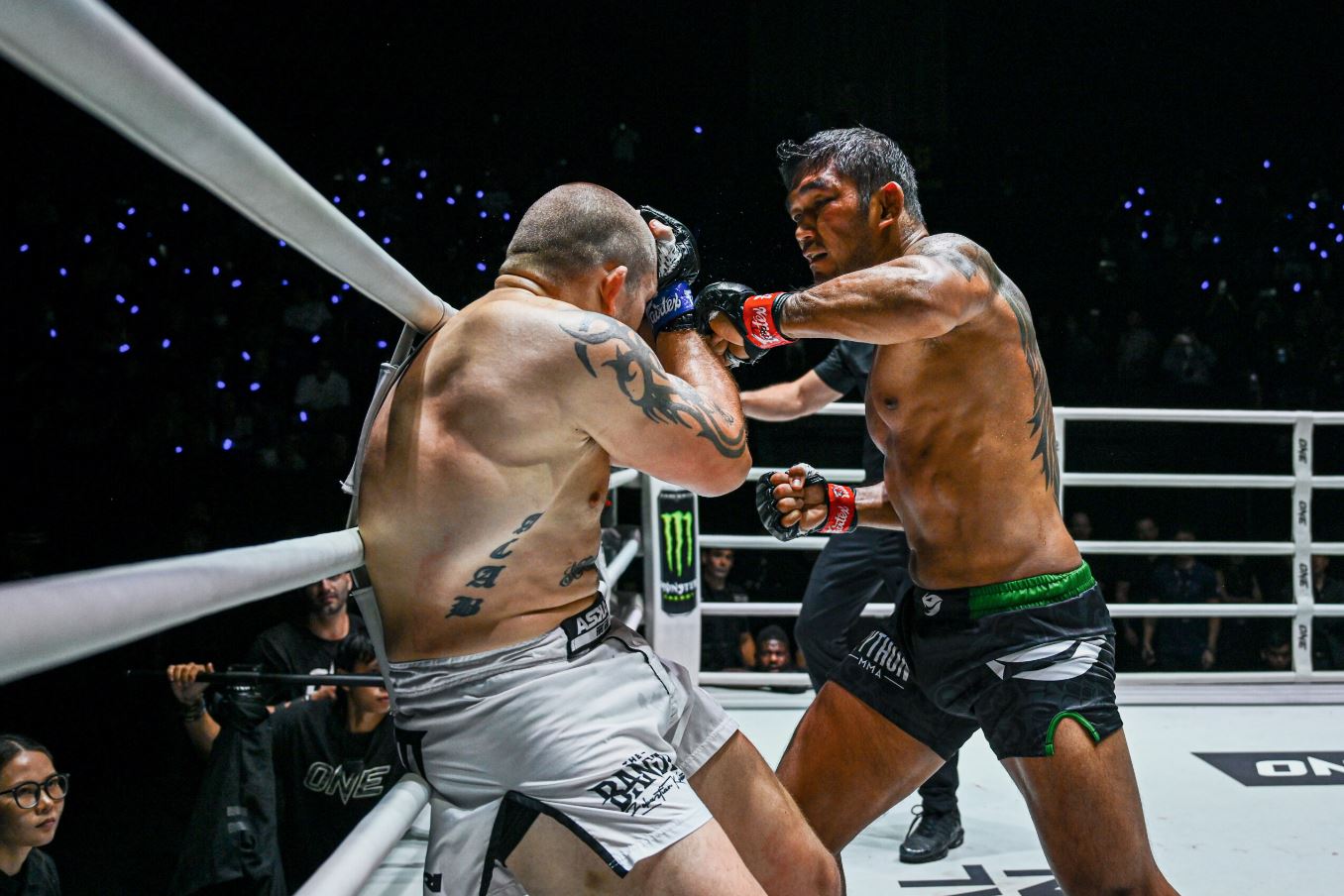
The Heartbeat of Boxing and the Spirit Behind Every Strike
The Birth of a Fighter’s Rhythm
In the beginning, every boxer hears the same sound. It is not the roar of the crowd or the snap of gloves against pads. It is the steady rhythm of their own heartbeat syncing with the motion of their training. This rhythm becomes the first melody of the fight, a beat that marks the beginning of discipline and endurance. The young fighter learns quickly that boxing is not merely about fists colliding with flesh. It is about timing, awareness, and the patience to find the right moment to act.
Every fighter starts awkwardly, their movements stiff and uncertain. Over time, through repetition and countless corrections, the body begins to understand what words cannot explain. The feet glide naturally, the shoulders rotate with instinct, and the hands find their own rhythm in the air. The boxer becomes both musician and instrument, creating a symphony of motion that feels alive. The ring, silent to spectators in its early hours, becomes a world filled with sound. Each exhale, each step, and each impact contributes to a music that only the disciplined can hear.
The Science of Controlled Aggression
Boxing is often mistaken for a violent dance, but behind the fury lies method. The sport’s greatest champions have always known that power without precision is wasted. Every punch thrown with emotion alone risks opening the body to counterattack. The true art of boxing lies in controlled aggression, the balance between instinct and calculation. A fighter must know when to strike and when to defend, when to close distance and when to retreat. It is a science shaped by strategy, where even the smallest hesitation can determine victory or defeat.
Control comes from the mind as much as from the muscles. A fighter must learn to read their opponent like a book, predicting actions from subtle clues. The flicker of an eye, a shift in balance, or a twitch of the shoulder can reveal intent. Within seconds, choices are made that define the outcome of rounds and sometimes entire careers. The ring becomes a laboratory, where each bout is an experiment in survival, timing, and willpower. To the trained eye, every jab and pivot tells a story of preparation and control. The chaos that spectators see is, in truth, a finely tuned order.
The Loneliness of Preparation
Long before the lights, cameras, and roaring audiences, there is silence. The boxer rises before dawn, wraps their hands in solitude, and begins another day of repetition. Shadows on the gym walls become their silent opponents. The mirror becomes a teacher, reflecting flaws that no one else can see. In these hours of isolation, fighters confront not only their weaknesses but their fears. Boxing demands solitude because it is within silence that focus sharpens and the will to persevere strengthens.
Training is an act of self-discovery. Each drop of sweat tells a story of determination. Each missed punch is a reminder that perfection is unreachable, yet still worth pursuing. The endless rounds of conditioning, running, and sparring build not just physical power but mental endurance. It is here, far from the noise of the crowd, that true champions are created. They are forged in moments where no one watches, when giving up would be easier than continuing, but the fighter chooses to rise again. This quiet sacrifice gives meaning to every victory that follows.
The Psychology of the Ring
When the bell rings, a boxer enters a world that exists between instinct and intellect. Every fight begins not with a punch but with a thought. Fear, excitement, and anticipation blend into a single surge of adrenaline. To master this moment is to master the mind. The fighter must remain calm in chaos, detached from fear but connected to intuition. The eyes must stay clear while the body endures storm after storm. In this fragile balance between emotion and control, boxing becomes a test of human psychology as much as of physical strength.
Inside the ring, doubt is the most dangerous opponent. It lurks in the back of every mind, whispering during fatigue or pain. The boxer learns to silence that voice, to replace fear with focus. Each round becomes a mental battlefield, a series of small decisions that demand courage. Should they press forward or conserve energy? Should they risk a counterpunch to land a decisive shot? These decisions happen in seconds, yet they carry the weight of years of preparation. In that space between punches, the fighter’s mind becomes sharper than any blade.
The Corner and the Circle of Trust
Behind every fighter stands a corner team that represents loyalty, strategy, and compassion. Trainers, cutmen, and friends stand ready, not for glory, but to guide and protect. The bond between boxer and coach runs deeper than most friendships. The trainer becomes a mentor, psychologist, and guardian, often understanding the fighter better than the fighter understands themselves. They read fatigue in a glance, courage in a breath, and doubt in silence. Their voice between rounds is both command and comfort, reminding the fighter of the plan and the purpose.
The corner is also a sacred circle of trust. When the fighter returns bloodied and exhausted, the coach wipes away the sweat and gives clarity. Sometimes, they must make the hardest decision of all, stopping a fight to preserve their fighter’s future. In that act of protection, they demonstrate love and respect that words cannot express. Boxing is individual in combat but collective in spirit. Every punch thrown in the ring carries the weight of the entire corner’s belief. Victory belongs not to one but to all who stand within that unseen circle.
The Legacy Written in Scars
Every fighter’s story is written on their body. Scars, broken knuckles, and bruised ribs become the language of sacrifice. They are not marks of damage but of devotion. Each tells a story of the rounds survived, of nights spent in pain, and of lessons learned in failure. Glory fades quickly, but scars remain as reminders of the path taken. The fighter’s legacy is not measured in titles alone but in the resilience displayed across years of struggle.
There is beauty in imperfection. The boxers who endure are those who understand that the human spirit can withstand more than the body believes possible. They fight through exhaustion, heartbreak, and injury because something inside refuses to yield. The greatest fighters are not defined by their victories but by how they rise after falling. Every scar becomes a silent testament to the resilience that defines them. It is a reminder that greatness is never achieved without pain and that endurance itself is a form of art.
The Eternal Return to the Ring
When the crowd leaves and the lights dim, the ring remains. It waits quietly, knowing that it will call the fighter back again. The boxer may rest, may heal, and may even question their purpose, but the rhythm of training always returns. It is not addiction but devotion. The ring becomes a reflection of life itself, where one must keep moving, learning, and adapting. To stop is to lose the pulse that gives meaning to every fight. The journey of a boxer never truly ends. It only transforms into deeper understanding and renewed purpose.
In the end, the ring is not an arena of violence but a sanctuary of truth. It strips away pretense and reveals character. In that square space, fear and courage meet as equals, and the human spirit reveals its purest form. Boxing is more than a sport. It is a dialogue between pain and perseverance, between doubt and faith. The echoes of gloves striking and feet shifting are not sounds of aggression but of creation, a rhythm that tells the world that within every fighter lives the endless song of willpower and grace.