
Breaking the Barrier How Relentless Pressure Dismantles Defense in Modern MMA
Understanding the Tactical Art of Pressure Fighting and How It Shatters Even the Tightest Guards
The Philosophy Behind Pressure
In the cage, pressure is not just physical. It is psychological warfare, a constant presence that forces opponents to make mistakes. Pressure in mixed martial arts is the art of controlling time and space, forcing a fighter to react instead of act. When applied effectively, it breaks rhythm, shatters defense, and exposes weaknesses that even the most disciplined guard cannot hide. The goal is not to rush blindly forward but to impose a pace that suffocates without overextending. Great pressure fighters master the balance between aggression and patience, using calculated movement to corral opponents and dismantle their structure piece by piece.
From boxing legends to modern MMA icons, the philosophy of pressure remains the same: dominate the center, reduce escape routes, and force the opponent into disadvantageous positions. The more a fighter retreats, the more predictable their reactions become. Their guard tightens, but their options shrink. A well-timed step, feint, or body shot then becomes the key that unlocks their defense. The fighter applying pressure does not simply chase, they command. They create chaos with control, overwhelming both body and mind.
The Mechanics of Pressure and Space Control
Pressure fighting begins with footwork. Every inch of space gained or lost determines the flow of the fight. Controlling distance means dictating when and how exchanges occur. Fighters who excel in applying pressure rarely move straight forward. Instead, they cut angles, anticipating escape routes and sealing them off. This movement creates invisible walls, pushing the opponent into the cage or into predictable defensive patterns. Once trapped, the defender’s mobility is restricted, and the pressure fighter begins to dictate the terms of engagement.
Controlling space also involves reading the opponent’s breathing, posture, and reactions. The best pressure fighters learn to feel the tempo of their opponent’s rhythm. They know when to surge forward and when to pause, creating an unpredictable rhythm that keeps the opponent guessing. Pressure is not about constant motion, it is about constant presence. Even when standing still, a fighter with commanding footwork and forward intent controls the mental geography of the fight. Every small step, every glance, and every shift in weight adds to the invisible pressure that eventually breaks the guard.
The Psychology of Suffocation
Pressure is as much a mental weapon as it is physical. When an opponent feels they have no room to breathe, panic begins to set in. Their guard tightens, their strikes lose purpose, and their defense becomes reactive. This mental fatigue is what true pressure fighters exploit. They do not need to land every strike to win the battle. Simply forcing the opponent to think constantly about defense drains their focus and energy. The human brain is not wired to remain calm under continuous threat, and once anxiety replaces strategy, the outcome becomes inevitable.
Psychological suffocation happens in layers. First, through movement, then through presence, and finally through contact. Even missed strikes contribute to the effect, as each swing forces the opponent to defend and reset. The pressure fighter stays composed, conserving energy while their opponent burns out under the weight of constant engagement. By the time the guard breaks, the defender is often mentally exhausted, leaving openings for clean shots or takedowns. Pressure does not need to be reckless or loud. It needs only to be relentless and intelligent.
Breaking the Guard with Body Attacks
The body is the gateway to breaking the guard. While many fighters focus on head strikes, experienced pressure fighters know that consistent body attacks lower the opponent’s guard naturally. Repeated shots to the ribs, liver, and midsection sap endurance and force defensive reactions that expose the head. Over time, the opponent becomes slower to reset and less capable of maintaining a solid defensive posture. Their guard begins to open, their elbows drift outward, and their breath shortens. In this vulnerable state, even simple combinations become devastating.
Body strikes are also psychological. Few sensations are as disorienting as a clean liver shot. The body momentarily shuts down, the legs weaken, and panic floods the mind. Fighters who incorporate body attacks into their pressure systems create a dual threat: physical fatigue and mental dread. The opponent no longer defends purely out of discipline, but out of fear. The guard, once confident and composed, begins to crack under the weight of anticipation. The moment the opponent braces for the body, the head becomes available. This cycle of manipulation is the hallmark of great pressure fighting.
Clinch Control and the Art of Grinding
When pressure reaches the clinch, the battle becomes personal. The clinch is where strength, technique, and willpower collide. It is the proving ground of endurance and control. A pressure fighter who dominates the clinch transforms the fight into a slow grind, draining the opponent’s energy through relentless contact. Every shoulder bump, knee strike, and elbow rub takes a toll. Fighters who specialize in clinch control use this position not only to attack but to suffocate. They pin the opponent against the cage, restricting movement while maintaining leverage. This constant contact forces the defender to carry the weight of another body, wearing down both their stamina and composure.
The clinch is not chaos. It is control. Elite fighters like Kamaru Usman or Daniel Cormier have shown how effective clinch pressure can be when executed with intelligence. By mixing dirty boxing, positional changes, and body shots, they maintain dominance while conserving energy. The opponent, on the other hand, must strain every muscle just to survive. Over time, this imbalance of effort becomes overwhelming. Once the defender begins to slow, the pressure fighter transitions seamlessly to takedowns or disengages with strikes. The guard, at this point, no longer exists. It has been broken from the inside.
Ground Pressure: Smothering from the Top
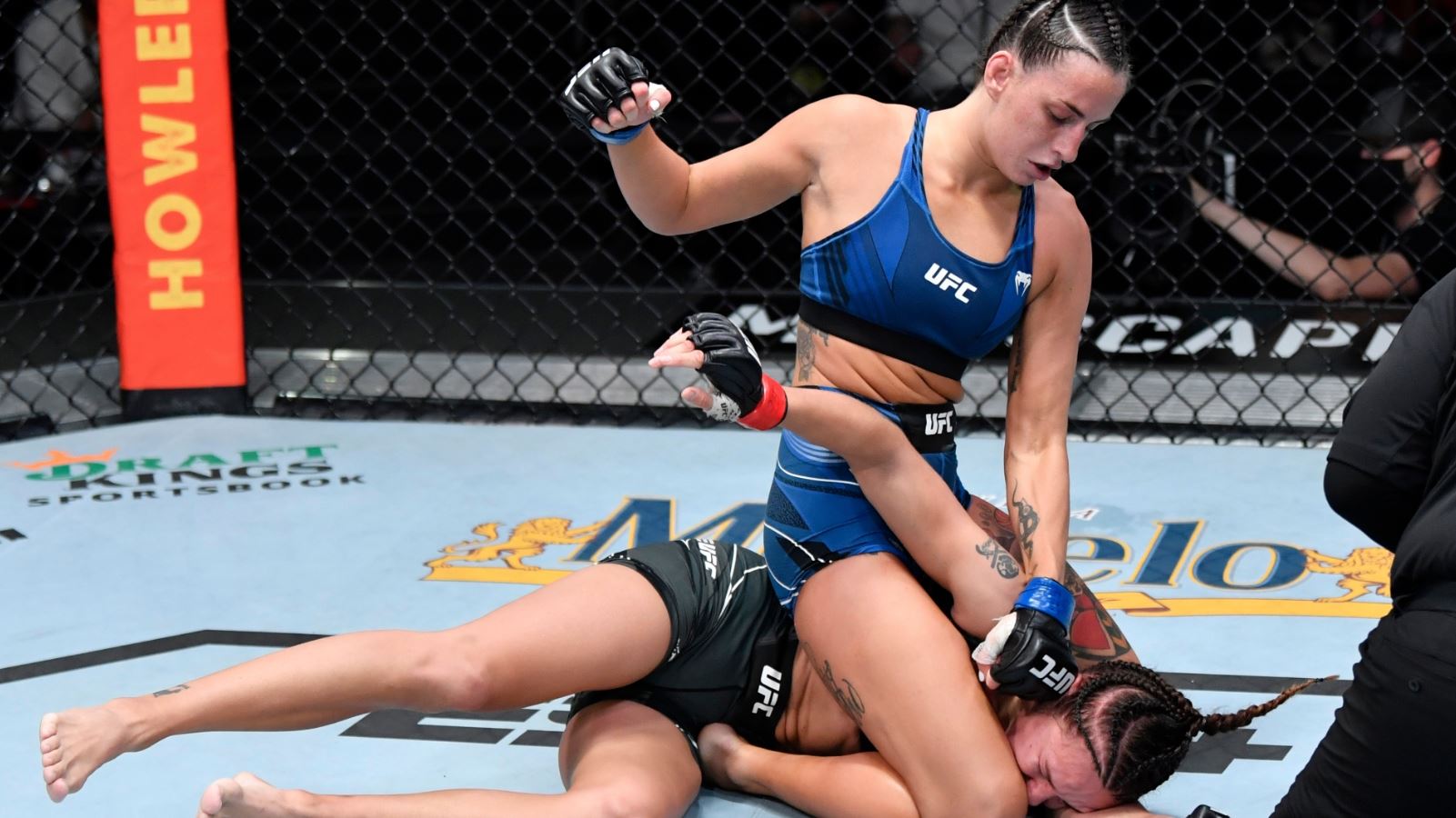
On the ground, pressure becomes gravity. A skilled top-game fighter uses weight distribution and positioning to create constant discomfort. Even without striking, the sensation of being pinned and unable to move is mentally exhausting. Ground pressure involves subtle shifts of the hips, chest, and shoulders to keep the opponent trapped and off balance. The goal is not always to submit or finish immediately, but to force the opponent into bad decisions. Under pressure, they expose limbs or turn their back in search of escape. This is when openings for submissions or ground-and-pound present themselves.
In grappling, pressure is about patience. Fighters like Khabib Nurmagomedov and Islam Makhachev exemplify this principle. They maintain suffocating control, never allowing the opponent to reset or find breathing room. Every movement leads to a chain of control, where the opponent’s only focus is survival. This kind of dominance breaks fighters mentally long before the finish. Even if they escape momentarily, the fatigue lingers. When they return to their feet, their defense is compromised, and their confidence is shaken. True pressure follows them everywhere, on the ground and standing.
Energy Efficiency and Controlled Chaos
Applying pressure effectively requires mastery of energy management. Many fighters make the mistake of confusing pressure with aggression. Blind aggression burns energy quickly, leaving the attacker open to counters. Controlled pressure, however, uses small movements and subtle cues to create the illusion of constant threat. It is about efficiency, not volume. The fighter maintains a pace that feels suffocating to the opponent but sustainable for themselves. This balance allows them to increase intensity at will without risking burnout.
Breathing control plays a major role in this process. Fighters who remain calm under pressure conserve energy while forcing their opponents to overexert. They use rhythmic breathing to stay composed, keeping their heart rate low while maintaining forward momentum. This internal discipline turns pressure into art. It transforms chaos into control. The fighter dictates the rhythm, slows down the opponent’s reactions, and maintains clarity even in high-paced exchanges. Pressure, when mastered, becomes a weapon of precision rather than brute force.
The Role of Feints and Traps in Breaking Defense
Feints are the language of pressure. They allow a fighter to speak to their opponent’s instincts, forcing reactions that open doors for attack. Every small shoulder twitch or glance can create hesitation. This hesitation is what pressure fighters exploit. Once an opponent starts reacting to imaginary threats, their defense becomes predictable. A well-timed feint draws out a parry or step that exposes another target. Over time, this manipulation erodes confidence. The defender no longer trusts their own reactions, creating openings for clean strikes or level changes.
Traps work hand in hand with feints. A fighter may purposely throw a low kick knowing it will draw a counter, only to respond with a devastating punch over the top. The key is to make the opponent feel like they are winning small exchanges until they fall into the pattern the pressure fighter desires. This chess-like approach transforms pressure from brute force into calculated deception. When done right, it leaves the opponent disoriented, unsure which threat is real and which is bait. Once this confusion sets in, their guard collapses completely.
Adapting Pressure to Different Fighting Styles
Pressure does not look the same for every fighter. Strikers, grapplers, and hybrid fighters all apply it differently based on their strengths. A striker like Max Holloway uses volume and footwork to maintain constant forward motion, drowning opponents in punches. A wrestler like Justin Gaethje mixes takedown threats with body shots to keep the opponent frozen. Grapplers such as Islam Makhachev or Charles Oliveira apply pressure through positional dominance, never allowing the opponent to dictate where the fight goes. Despite their differences, they share the same goal: control through presence.
Adaptation is the mark of true mastery. The best pressure fighters can switch between striking and grappling seamlessly, applying their weight and movement to exploit transitions. They read opponents in real time, adjusting their tempo to exploit fatigue or frustration. Against elusive opponents, they cut angles instead of chasing. Against aggressive ones, they absorb and counter. The ability to adapt pressure ensures that no defensive system remains unbroken for long. Whether standing or on the mat, the principle remains: pressure applied intelligently always finds a way through.
The Art of Controlled Domination
Pressure is not chaos. It is control disguised as aggression. It is the invisible force that bends an opponent’s will without breaking one’s own rhythm. The best fighters understand that breaking the guard is not about brute strength or volume of strikes, but about intelligence, timing, and presence. They create discomfort through precision, not desperation. Every step forward, every angle cut, and every feint serves a purpose.
In the end, the essence of pressure fighting is mastery over space, energy, and psychology. It is about making the cage smaller and the mind heavier. When done right, the opponent does not simply lose the fight, they lose the ability to think clearly within it. The guard that once seemed unbreakable crumbles under the weight of relentless, intelligent control. Pressure, the quiet art of domination, remains one of the purest expressions of power in the world of mixed martial arts.