

The Calm Within the Storm
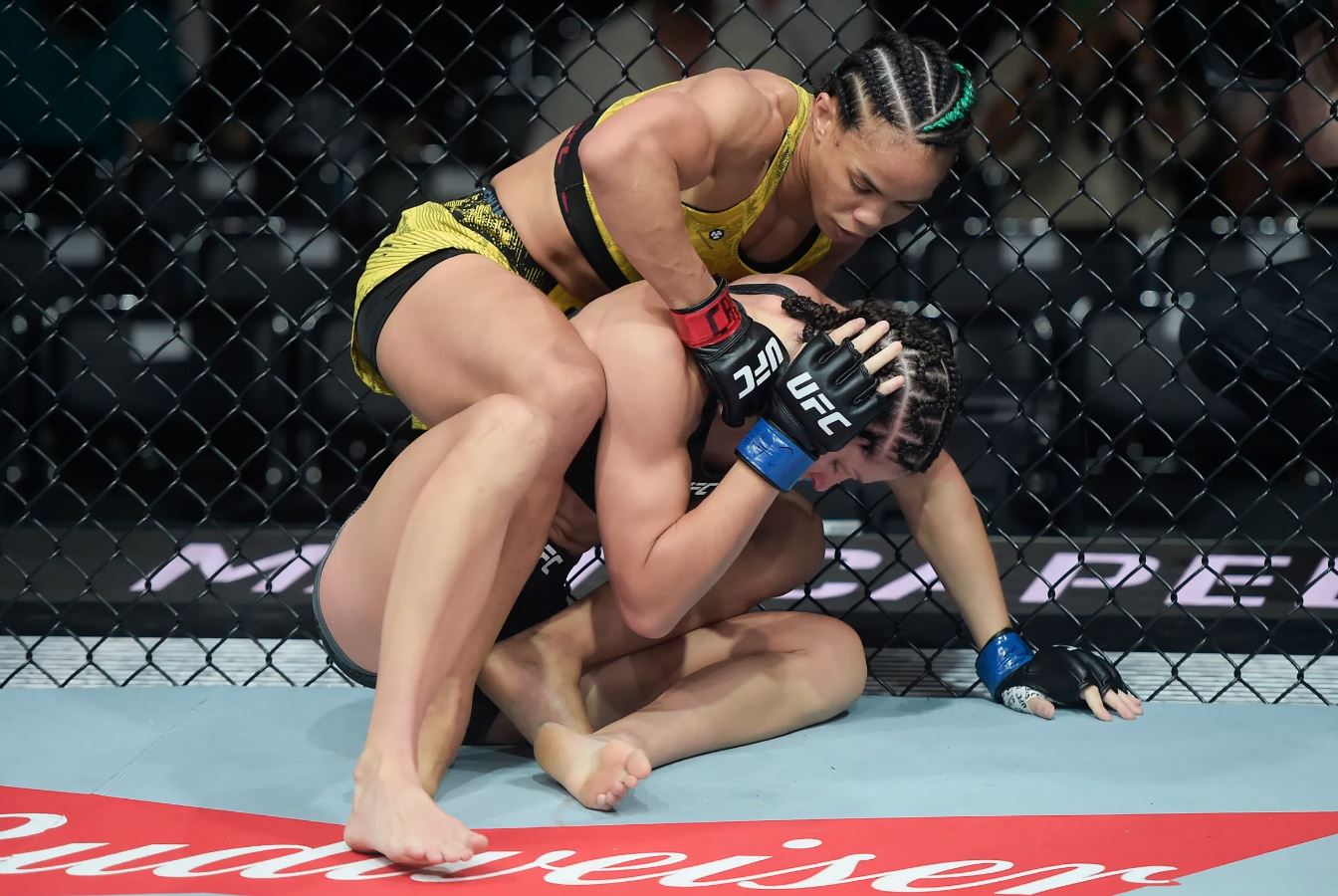
Fighters Control Breath, Mind, and Fear in the Heat of Combat
The Invisible Weapon Every Fighter Possesses
In combat sports, the world sees power, speed, and precision, yet the most crucial weapon often goes unnoticed. It is not hidden in the fists or the legs, but in the lungs. Breathing, the most natural and constant act of life, becomes a skill of survival when the cage door closes. The ability to control breath can determine victory or defeat, clarity or panic, resilience or collapse. While the audience focuses on punches and takedowns, the fighter is locked in a quieter war, one fought between instinct and control. Mastering breath means mastering chaos, and in a fight, chaos is everywhere.
Every fighter learns that panic begins where breathing ends. The body can be conditioned to withstand pain and fatigue, but without proper oxygen flow, the mind unravels. A shallow breath can trigger confusion and tunnel vision, while a steady rhythm of inhalation and exhalation can restore focus even in moments of danger. Breath is the rhythm of life, and in combat, it becomes the rhythm of composure. The greatest fighters do not simply endure the storm. They breathe through it, transforming fear into focus and exhaustion into energy.
The Science Behind Controlled Breathing
At the heart of every controlled breath lies a biological mechanism that links the lungs to the brain. When a fighter breathes rapidly and shallowly, the nervous system activates a survival response that increases heart rate and releases stress hormones. This ancient instinct once served humans well in moments of danger, preparing the body to fight or flee. However, in modern combat, this same reaction can work against a fighter, clouding judgment and draining energy prematurely. Controlled breathing acts as a manual override, slowing the body’s panic signals and restoring balance between mind and muscle.
Science shows that deep, rhythmic breathing engages the parasympathetic nervous system, lowering stress and conserving energy. This process allows a fighter to stay mentally sharp while physically explosive. Oxygen-rich blood feeds the muscles more efficiently, delaying fatigue. It also sharpens reaction time and enhances endurance. Fighters who master breathing understand that control of the body begins with control of the breath. Each inhale becomes an act of preparation, and each exhale becomes a release of tension and fear.
Training the Breath as a Weapon
Breath training in combat is as intentional as strength conditioning. Fighters use various breathing techniques to simulate the demands of battle. Diaphragmatic breathing, also known as belly breathing, strengthens the respiratory muscles and promotes efficient oxygen exchange. During sparring or high-intensity drills, fighters practice exhaling with strikes to synchronize rhythm and power. This alignment between breath and movement not only conserves energy but also enhances precision and timing. Breathing becomes part of the fighter’s rhythm, a silent metronome guiding every action.
Some fighters take inspiration from disciplines like yoga or freediving, where breath control determines endurance and survival. These practices teach awareness of air flow, helping athletes recognize early signs of overexertion or panic. Others incorporate hypoxic training, where oxygen intake is limited to simulate extreme fatigue. This method builds mental toughness and forces the body to adapt under stress. By mastering these techniques, fighters learn not just how to breathe, but how to thrive when air becomes scarce and the world around them narrows into a storm of motion and noise.
Breathing as the Bridge Between Mind and Body
The connection between breath and emotion is one of the most profound aspects of combat performance. The human mind responds to rhythm, and breath creates rhythm even in the midst of chaos. A fighter who controls breathing also controls thought. When adrenaline spikes and fear whispers its way into the mind, breath acts as the anchor that holds everything in place. Each inhale reminds the fighter of presence. Each exhale releases tension, doubt, and hesitation. The rhythm of breath becomes the rhythm of composure.
This is why seasoned fighters often appear calm even in moments of danger. Their ability to stay composed does not come from the absence of fear, but from the mastery of it through breath. By focusing inward, they create space between emotion and reaction. This allows them to think clearly and act decisively while others freeze or flinch. Breath connects instinct to strategy. It transforms survival into control, turning reaction into response. In the cage, the one who breathes best often fights best.
Recovering Between Rounds Through Controlled Breathing
In the minute between rounds, the fighter’s entire body screams for recovery. Muscles ache, lungs burn, and the mind races to process what just happened. It is in this short window that breathing becomes the ultimate recovery tool. Coaches may shout instructions and fans may roar, but the fighter’s focus narrows to one simple act, taking in air and letting it go. Deep, measured breathing replenishes oxygen, slows the heart rate, and clears the fog of adrenaline. It is the body’s built-in recovery system, faster and more effective than any supplement or pep talk.
Many fighters are trained to follow specific breathing patterns between rounds, such as inhaling for four counts and exhaling for six. The longer exhale triggers a relaxation response, helping the body reset faster. By the time the next round begins, the fighter who controls breath is already ahead. They enter the next exchange refreshed, alert, and mentally grounded. This moment of composure can make the difference between losing focus and regaining dominance. The breath is the unseen coach whispering calmness when everything else feels like chaos.
How Fear Changes Breathing and How Professionals Overcome It
Fear is the invisible opponent that every fighter must face. It does not wear gloves or throw punches, yet it can paralyze even the most skilled athlete. Fear tightens the chest, shortens the breath, and sends waves of panic through the body. The mind begins to spiral, and breathing follows. This is why learning to control breath is not just a physical skill but an emotional one. Fighters train themselves to recognize the early signs of panic and respond with deliberate, slow breathing. By doing this, they regain control over their physiology and prevent fear from dictating their actions.
Professional fighters often speak about feeling moments of calm clarity during fights, even when facing intense pressure. This state, sometimes called flow, arises when body and breath move in perfect harmony. It allows fighters to act with instinctive precision, free from hesitation. They no longer fight against fear but alongside it, using it as fuel. The mastery of breath transforms fear from an enemy into an ally, reminding the fighter that control is always possible, even when chaos surrounds them.
The Role of Breathing in Energy Conservation
Combat is a test of endurance as much as skill. The fighter who can conserve energy while maintaining intensity gains a significant advantage. Controlled breathing ensures that oxygen is used efficiently, preventing early exhaustion. Shallow breathing wastes energy and floods the muscles with lactic acid, while steady, deep breathing keeps the body balanced and sustainable. Every breath becomes a resource that must be managed wisely.
In long fights, conserving energy can be the key to victory. Fighters who remain calm and composed use less energy in moments of defense, allowing them to strike explosively when the opportunity arises. The control of breath mirrors the control of timing. It teaches patience and discipline. A well-conditioned fighter can appear effortless, not because they are expending less effort, but because every movement and every breath is perfectly aligned with purpose.
The Art of Stillness Within Motion
True mastery in combat does not come from constant aggression or relentless movement. It comes from stillness within motion, the quiet control that allows a fighter to see clearly in the midst of battle. Breathing is the thread that connects all of it. It is the steady pulse behind every strike and every step. It transforms panic into patience, confusion into clarity, and fear into focus. The art of breathing under fire is the art of presence, the ability to stay calm when the world seems to collapse into chaos.
When the lights shine brightest and the cage closes, the best fighters understand that strength is only as powerful as the calm that guides it. The storm outside will always rage, but the breath within remains steady. Through each inhale and exhale, the fighter finds peace amid violence, rhythm amid disorder, and control amid chaos. This is the ultimate lesson of combat, that victory does not always belong to the strongest, but to the one who remembers to breathe when the world forgets how to.